Bank of Canada Hikes Rate to 2.50%
Why did the Bank of Canada raise rates and what's next?
For the first time in a year, the Bank of Canada has elected to raise the overnight target rate. Rates raise from 2.25% to 2.50% which translates to a 4.70% Prime rate with most lenders.
Why?
A year ago when the Bank of Canada elected to cut rates down to the 2.25% overnight rate, they were clear that "monetary policy cannot undo the damage caused by tariffs".
Keeping inflation in check is their number one priority and the most recent monetary policy states the case quite simply:
"The war in the Middle East has entered its eighth month, and damage to refining capacity continues to disrupt global energy markets and supply chains. Oil prices have increased and refinery margins are elevated, which has pushed gasoline and diesel
prices higher. Prices of non-energy imports have also increased.
With measures of core inflation still near 2%, high energy costs have not yet spread broadly to other prices. But cost pressures are building, and businesses anticipate passing on more of their increased costs to customers."
This inflation episode will carry us into 2027 and the question is whether one rate increase is enough.
What happens next?
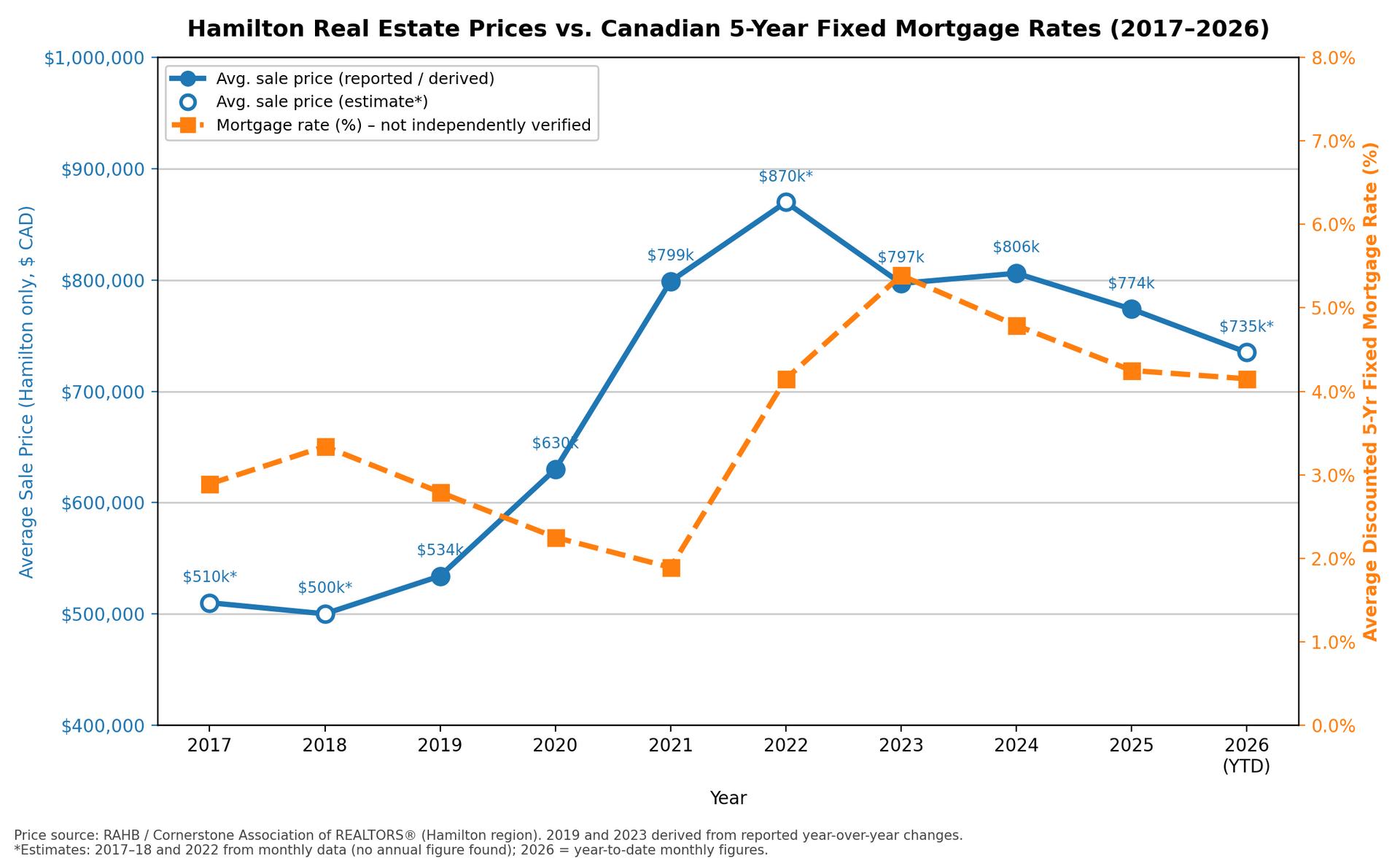
Bank economists do not agree on projections for future rate hikes. TD Canada trust published projections that there would be NO rate increases in the coming years, pointing to a natural reduction in buying power as a result of the US-Canada trade war. In Southern Ontario, we have seen an uptick in the defaults on mortgages and a slumping real estate market to accompany it.
To put that in perspective, the default rate rose to 0.32% in Ontario which is the highest it has been in 15 years.
Scotiabank published projections for the Bank of Canada to raise rates as high as 3.25% in 2027. That would be a 1.00% rate increase from bottom to top in a very short period. The difference between TD and Scotia is in their expectations for GDP and the impact of tariffs on the broader economy.
However you slice it, there is at least one rate increase and we know that because it happened today. Any plans that are being made for renewal OR cash-flow need to account for the most pessimistic outcome, which is Scotiabank's 3.25%.
If you are making plans, be sure to factor those rate increases into your thinking. Variable rate clients who have many terms under their belts will know that projections very rarely become reality, but it is helpful food for thought.